What Common Household Products Cause the Most Injuries?
There's an assumption built into buying almost anything: if it's on a store shelf, someone already made sure that it won't hurt you. They wouldn’t be allowed to sell it if it wasn’t safe, would they?
Unfortunately, there are plenty of exceptions to that rule. Companies cut corners. Certifications get counterfeited. Safety standards are updated, but older designs are still on the market. Recalls go out, but consumers aren’t notified in time. One way or another, too many dangerous products can slip through the cracks.
The good news is that a little extra precaution can go a long way toward making your home a safer space. Here are products to double-check before you buy or use them.
Furniture, TVs, and Heavy Appliances
Heavy furniture and appliances often look safe once they’re in place, but a quick tip-over can change that in an instant. Furniture and TV tip-overs send an estimated 22,500 people to the emergency room every year. Children are especially at risk. According to the Consumer Product Safety Commission (CPSC):
- 44% of tip-over injury victims each year are children under 18
- 37% are adults ages 18 to 59
- 19% are seniors ages 60 and older
Regardless of your age or the age of your family members, beware of this hazard.
What to Look For
Before buying furniture or a TV stand, 1) check whether the product includes anchoring hardware, and 2) whether the manufacturer publishes a base-to-height ratio that meets current stability standards. Retailers have faced growing pressure to sell only furniture that complies with these standards, but compliance is far from universal.
If you already own the furniture or TV in question, a quick check can tell you what you're dealing with:
- Look up the model on the CPSC’s recall database to confirm it hasn't been recalled for tip-over risk.
- Check whether an anchor kit was included, and if so, whether it was installed.
- Test the item by gently pulling on it from a height a child could reach.
Furniture doesn't need to be defective to tip over. But a defective design, a missing anchor, or a base that doesn’t meet stability requirements is always worth knowing before it becomes a bigger problem.
Safety Gates
Stairs are the leading cause of home injury overall. Many homeowners use safety gates to keep kids and pets away, but those gates can fail at the wrong moment. Before 2021, safety gates were not subject to federal safety standards. Since then, the CPSC has set standards for manufacturers, after reviewing hundreds of accidents involving:
- Broken slats
- Collapsed hinges
- Gates that gave way at the top of a staircase
By then, manufacturers had already recalled more than a million units for those same problems. However, anything produced before 2021 was never tested against the new standard.
What to Look For
Before buying a safety gate, confirm the product meets the current CPSC standard, since gates sold before 2021 were held to a weaker set of rules. Hardware-mounted gates, which bolt into the wall, are generally more reliable at the top of stairs than pressure-mounted gates, which can be pushed loose.
If you already have a gate installed, check the following:
- Look up the model on the CPSC's recall database.
- Test the gate by pressing on it firmly to see whether it holds or gives way.
- Check slats, hinges, and mounting hardware for cracks or looseness that may have developed over time.
Power Tools
Every year, power tools and workshop equipment send an estimated 418,000+ people to the emergency room. Saws, drills, and grinders cause the most injuries, ranging from minor cuts to amputations and serious eye injuries. Many of these injuries trace back to a missing guard, a disabled safety switch, or a tool that was never certified in the first place.
What to Look For
When buying a power tool, always check for a UL or ETL certification mark, which means the tool has actually been tested rather than just labeled. Confirm that essential safety features, such as a blade guard on a saw or a chuck lock on a drill, are present and not optional add-ons sold separately.
If you already own the tool:
- Look up the model on the CPSC's recall database to confirm it hasn't been recalled for a defect.
- Check that any guards or safety features are still in place and haven't been removed.
- Inspect the cord, battery, or housing for damage before each use.
A missing guard or a disabled safety feature is easy to overlook if a tool has been stored for an extended period.
Lithium-Ion Batteries
Lithium-ion batteries are increasingly common in everyday devices, from earbuds and laptops to e-bikes and scooters. Many devices that normally use AA or AAA batteries are increasingly manufactured with lithium-ion instead.
Lithium-ion batteries store a lot of energy in a tight space, which makes them very efficient for packing power. However, it also makes them dangerous. If the battery is damaged, overcharged, or exposed to too much heat, the chemicals inside can start a chain reaction that leads to a fire. Between 2019 and 2023, e-bikes, scooters, and other lithium-ion battery-powered devices were tied to hundreds of reported fires, explosions, and burns.
Currently, there is no federal safety standard covering these batteries. The CPSC proposed a rule in June 2026 that would require tamper-resistant enclosures and protections against incompatible chargers, but that regulation has yet to progress.
What to Look For
Before buying anything with a lithium-ion battery, look for a UL or ETL mark, similar to power tools. This means it was tested by an independent lab rather than relying on the manufacturer. If there is no mark, consider buying a different model. If the device has a separate battery and charger, buy them as a matched pair from the same manufacturer. A mismatched charger is one common way fires start.
For anything you already own, check the following:
- Look up the equipment on the CPSC recall database.
- Inspect the battery for swelling, cracking, or an unusual smell before you charge it.
- Confirm the charger is the original one, not a replacement from a different brand.
Never leave lithium-ion batteries charging while unattended, overnight, or near anything flammable. If a battery starts swelling or smells strange, turn off the device and remove it from power immediately.
Cribs, Toys, and High Chairs
Children's products carry some of the strictest federal safety rules of anything sold, and for good reason. Before those rules were in place, accidents were all too common.
- Full-size cribs have been under a mandatory federal standard since 2011 that banned the drop-side rail design after it was linked to entrapment and suffocation.
- High chairs received their own mandatory standard in 2018, after the CPSC received more than 1,800 incident reports of tip-overs, falls, and failed restraints.
- Toys are covered by a federal small parts rule that bans anything small enough to be a choking hazard for children under three.
The catch is that these standards only apply to products manufactured after the rule took effect. They also get updated periodically as testing improves. A crib, high chair, or toy that was deemed safe when it was made may have fallen out of compliance, but remains on the market or in homes.
What to Look For
- Before buying a crib, check that it's a model built to meet the current federal standard and not a drop-side design, which has been off the market for new sales since 2011.
- For high chairs, look for a passive crotch restraint and a three-point harness, both of which are now required.
- For toys, check the age recommendation on the packaging and avoid anything with small, detachable parts for children under three.
If you already own one of these items, especially something handed down or bought secondhand:
- Look up the model on the CPSC recall database.
- Check the manufacture date to make sure it was tested under the most recent safety standards.
- Check for loose, missing, or broken parts, all of which could make a previously safe product unsafe.
Heating Equipment
During Minnesota’s long winters, many homeowners turn to space heaters to help keep the house warm. Space heaters are handy, but they also come with a very real fire risk. Two features help reduce that risk:
- An automatic tip-over shutoff
- A guard around the heating element
Unfortunately, those are only required under a voluntary UL standard. There is no federal mandate for either, and many older heaters predate those standards entirely.
What to Look For
Before buying a space heater, confirm that it has both an automatic tip-over shutoff and a heating-element guard. Look for a UL or ETL certification mark as you would with most products mentioned in this article, and choose a model with a built-in cord at least six feet long. Using an inadequate extension cord is one of the most common causes of heater-related fires.
If you already own a space heater:
- Search for the heater on the CPSC recall database.
- Test the tip-over shutoff by tilting the heater to confirm it powers off.
- Inspect the cord for fraying, cracking, or heat damage before plugging it in.
An older heater that's been reliable for years may be missing safety features that come standard on current models. If you’ve been using an older heater, it may be time for an upgrade.
ATVs
ATVs are so common in Minnesota that the state runs its own registration system and a network of designated trails through the DNR. That doesn’t make them safe, however. Every year, ATVs are associated with over 100,000 emergency room visits. Tragically, more than a quarter of those accidents involve children under 16, often tracing back to a rider on a machine that's too large for their age or not designed for multiple riders.
What to Look For
When buying a new or used ATV, confirm the passenger rating for that model. Also check the age recommendation printed on the vehicle if a younger rider will use it. Note whether there is a working tether or kill switch, which cuts the engine if the rider is thrown.
If you already own an ATV:
- Look up the model on the CPSC recall database.
- Confirm that any age recommendation or rider-capacity labels are still attached and legible. (Some recalls have been issued specifically because that label was missing.)
- If you're buying used, check the tires, brakes, and throttle for wear or damage, since a mechanical issue on uneven terrain is a common contributor to rollovers.
An ATV that runs fine mechanically can still be the wrong choice if it’s paired with the wrong rider, too many passengers, or any other mismatch between the design and use.
Knowing Your Rights After a Product-Related Injury
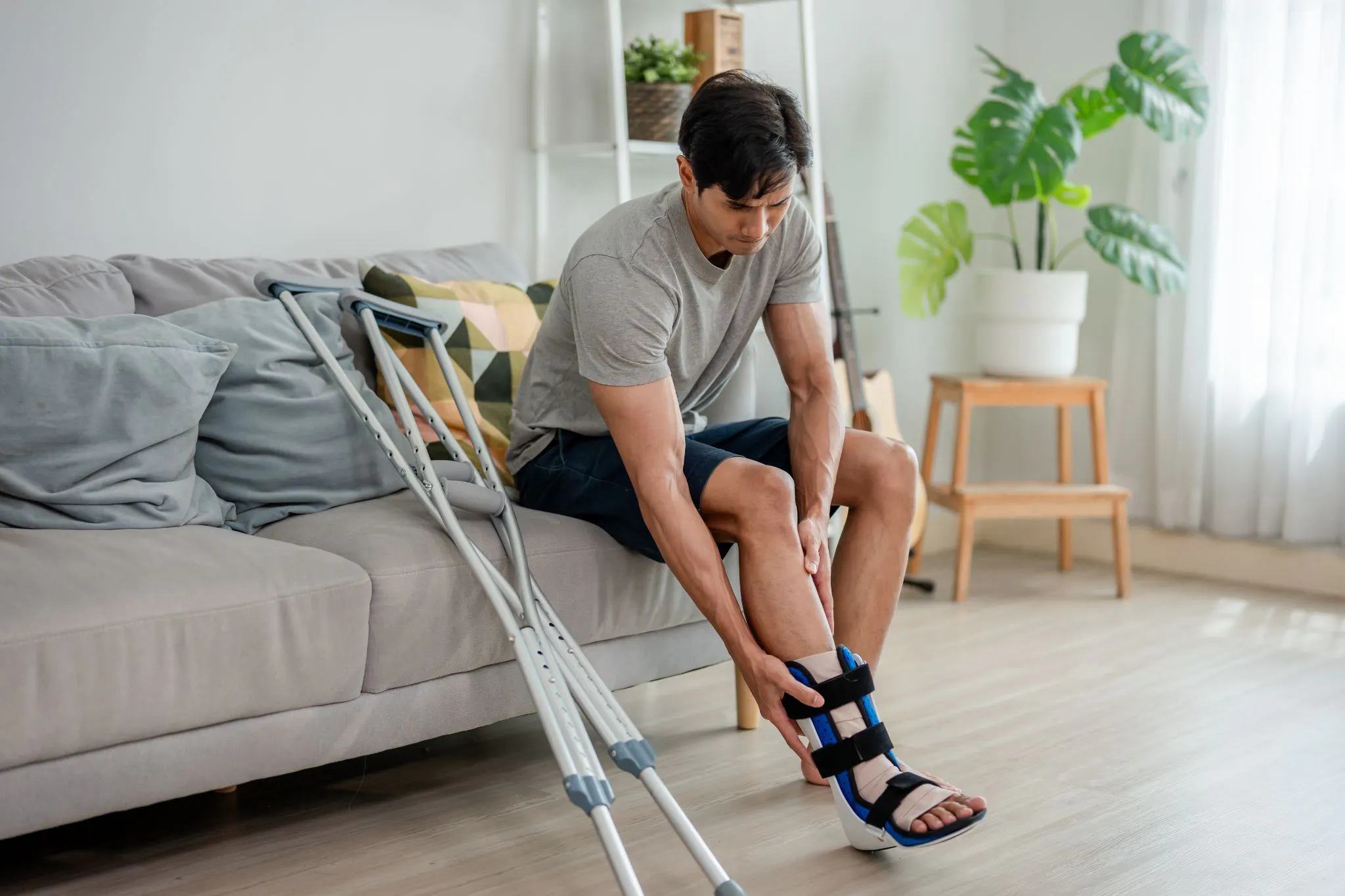
Under Minnesota state law and federal law, manufacturers and retailers have a responsibility to provide safe products. If a defective or dangerous product has hurt you or someone in your family, you may be entitled to compensation. This can help cover your medical bills and other losses while holding businesses accountable and preventing further accidents.
At SiebenCarey, our highly experienced product liability attorneys are standing by to explain your rights and help you take the next steps.