9 Road Trip Safety Tips for Minnesota Travelers

For many of us, a Minnesota summer means road trips. Whether you’re heading to the cabin, a national park a few states over, or out to visit friends or family, these trips can be a treasure trove of fun and memories. But if something goes wrong, a road trip can turn stressful or even dangerous in a flash. To keep your crew safe this summer, here are some tips to keep in mind before your next long drive.
1. Make Sure Your Vehicle Is Shipshape
Driving during summer means sharing the road with more vehicles than at any other time of year. Across the nation, the summer months consistently rank the highest for traffic volume, and Minnesota is no exception. Warm weather brings plenty of road trips and outdoor fun for everyone. Holiday weekends like Memorial Day, the Fourth of July, and Labor Day are especially busy, and most Friday afternoons often bring a steady stream of cars heading north out of the Twin Cities.
All that traffic brings more risk. Highways can turn into slow, congested corridors. Stop-and-go traffic leads to rear-end collisions. Intersections, merging points, and other bottlenecks can turn into a quagmire. Too many impatient drivers may weave through traffic, putting everyone in harm’s way. And road rage can get ugly.A few good habits will go a long way toward offsetting these risks:
- Leave earlier than usual. Building extra time into a trip removes the pressure to speed up or take chances to make up lost time.
- Maintain a safe following distance. Heavier traffic means more sudden braking. A longer buffer gives you more time to react.
- Expect delays. Knowing predictable slow points ahead of time makes it easier to stay patient and avoid reckless decisions.
2. More New Drivers on the Road
Summer vacation also puts more teenagers behind the wheel. School lets out, curfews loosen, and teens suddenly spend far more unsupervised time driving than they do the rest of the year. It’s good for young drivers to build up experience, but it does come with risks. Less time spent behind the wheel often means teens have slower reaction times, more hesitation at crucial moments, and less predictable decisions. Teens are also more likely to:
- Use a phone while driving
- Speed
- Follow other vehicles too closely
All of this adds up to more danger for the teens themselves and other drivers. Of course, there’s no way to know for certain how experienced other drivers are, so the safest approach is to drive more defensively around any vehicle that looks like it might be driven by someone still learning the ropes. Watch for:
- Hesitation at intersections and merges
- Sudden stops or delayed lane changes
- Cars following too close
These can all be signs of a driver who's still building confidence. Stay alert during peak teen driving hours: afternoons, evenings, and weekend nights.
3. Minnesota Construction Zones
Summer in Minnesota brings a new wave of resurfacing, bridge work, and lane closures. The construction season runs roughly from April through October, and during that time, work zones show up in places drivers don't expect them. A familiar stretch of highway that was clear and open just the week before can suddenly be clogged with workers, heavy equipment, and traffic cones. In some cases, you may be rerouted into new territory on roads and intersections you aren’t used to.
Fortunately, there are some ways to keep both yourself and road crews safer when driving near a work zone:
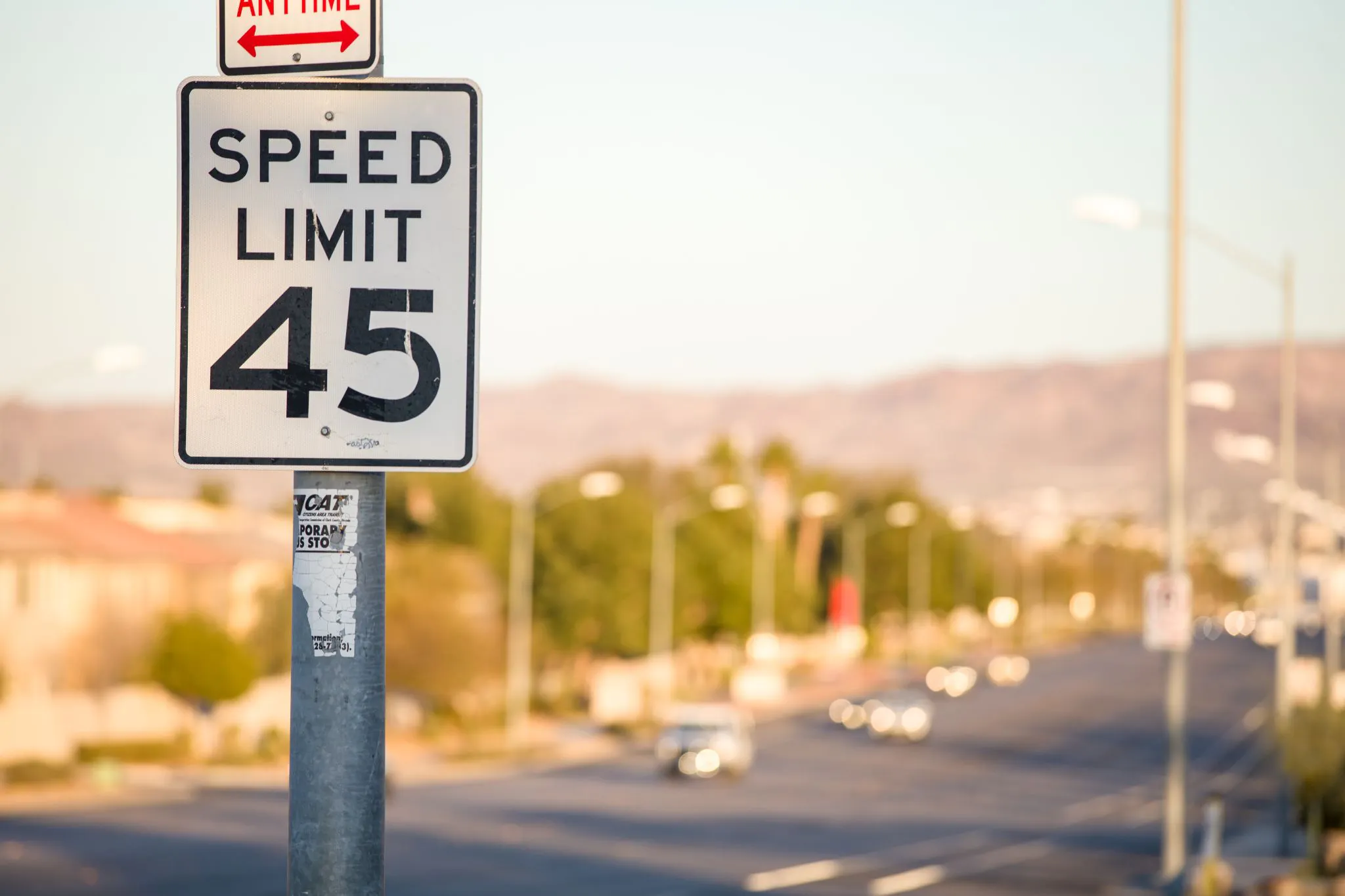
- Watch for reduced speed zones. Under Minnesota Statute 169.14, any time the speed limit is 50 miles per hour, it automatically drops to 45 miles per hour if a lane is closed and workers are present. Lower limits are often posted.
- Slow down before the zone begins. Braking early before entering a work zone gives you more time to adjust your speed. Waiting until the last second is risky.
- Use the zipper merge. If there is a merge point around a work zone, the Minnesota Department of Transportation recommends staying in your current lane until you reach the merge, then alternating with other vehicles when entering the open lane. Merging early can lead to unexpected braking and lane changes.
- Move over or slow down for stopped vehicles. Minnesota's Ted Foss Move Over Law requires drivers to move over a full lane away from a stopped construction or maintenance vehicle with its flashing lights on. If changing lanes isn’t safe or possible, you must slow down as you pass.
4. Motorcycle Riding Season
No matter who you’re riding with, agreeing to a few simple rules before you leave will help keep everyone safer. Make sure everyone in the car knows the expectations up front:
- Every passenger must wear their seat belt for the entire drive. This is not only good practice, but it’s also required by Minnesota law.
- All children should be in the correct car seat or booster for their age and size. Before leaving, make sure every seat is installed correctly, and the child is buckled safely.
- Let everyone know what rules they should follow for interacting with pets during the drive. Pets are generally safest when in a carrier or harness rather than riding loose.
- Agree to a stop plan before you leave. How often will you stop, and where? Leaving those questions until the last minute can lead to stress and conflict.
Setting these rules before you pull out of the driveway means less to sort out once you're already on the move.
5. Check the Weather and Road Conditions
During the summer, Minnesota weather can turn on a dime. It’s also construction season with frequent changes to road conditions. Before you head out, check 511mn.org, the Minnesota Department of Transportation traveler information map, for real-time updates on crashes, closures, construction, and weather alerts along your route.
If you find rough weather or heavy construction ahead, build extra time into your trip rather than rushing to make up for the delay. Getting to your destination an hour later beats pushing through unsafe conditions.
6. Watch for Drowsy Driving
Drowsy driving is a common culprit for accidents. Long, monotonous stretches of highway can lull even an alert driver into complacency. Fatigue and boredom can creep in before you know it, slowing your reaction time and causing brief lapses in attention.
According to the National Highway Traffic Safety Administration (NHTSA), drowsy-driving crashes occur most often in two windows:
- Between midnight and 6 a.m.
- In the late afternoon, when most people naturally hit a dip in alertness
If your route has you driving during either window, plan around it if you can. Beyond that, there are other ways to help keep yourself and others alert on a long drive:
- If possible, trade off on driving duties every few hours. Try to limit how much time any one person spends behind the wheel between rest stops.
- Get a full night's sleep before you leave, especially if you're heading out early in the morning.
- If you start to feel drowsy, pull over somewhere safe to stretch, walk, and maybe eat something instead of trying to push through.
- Avoid all alcohol before driving, even if you think you would be below the legal limit. If you’re taking any medication, check the label for drowsiness warnings.
- If the drive is long enough, consider stopping overnight at a hotel to recharge rather than trying to make it to your destination in one push.
Following these precautions will help keep everyone from nodding off at the wrong time.
7. Avoid Distractions
Road trips can be full of distractions at the best of times. Kids clamor from the back seat, passengers root through luggage for snacks, and arguments or lively conversations can pull your attention away from the road. Add in fiddling with the entertainment system or watching the GPS, and you could have your mind in the wrong place at the wrong time. To limit distractions:
- Set your route in the GPS before you leave so you're not programming it while driving.
- Put one passenger in charge of navigation and communication so you can focus on the road.
- Pack snacks and drinks within easy reach so passengers aren't rummaging through bags while the car is moving.
- Try to eat and drink while stopped or riding along as a passenger so you aren’t distracted by snacks or coffee when driving.
If anything truly needs your attention, pull over first. Multitasking while driving on a highway or through busy Twin Cities traffic is a recipe for disaster.
8. Never Leave Kids or Pets Alone
When making a quick stop for gas or a bathroom break, it can seem harmless to leave children or pets in the car. However, this is never wise, especially during summer. If the car is turned off with no air conditioning running, the heat can rise rapidly. If the temperature outside is 70°F, the inside of a car can reach 90°F within just 10 minutes. On hotter days, the temperature can rise even faster. Even cracking windows will do little to combat this.
If the car is left running, that opens a different set of dangers. A child left alone can adjust the gear shift, door locks, or power windows, potentially putting them in harm's way. Some may wander off looking for you, or panic if they can't get out. Pets can chew through a seatbelt or leash, get spooked by a passerby, or slip out an open door or window.
To avoid these concerns, resolve to never leave a child or pet in the vehicle without at least one supervising adult. Check the back seat every time you park, even for a quick errand, to make sure you never accidentally leave anyone behind. A few extra seconds at every stop are a small price to ensure everyone stays safe.
9. Plan for When Things Go Wrong
No matter how careful you are, something can still go wrong. Vehicles break down, accidents happen, and suddenly your plans are derailed. If something goes wrong on the road, knowing what to do ahead of time can help you stay calm in the moment.
If your vehicle breaks down, get off the roadway as soon as it's safe and turn on your hazard lights. Call for roadside assistance or a tow rather than trying to fix the problem yourself on the shoulder of a busy highway. Stay alert to the traffic passing you while you wait. Don't assume you're out of harm's way just because you're off the traffic lane.
If you're in an accident:
- Stop your vehicle and turn on your hazard lights. Minnesota law requires drivers involved in an accident to stop, regardless of who's at fault.
- Check yourself and any passengers for injuries. Inspect yourself and others carefully, since shock can mask pain in the moment.
- If you're able to, move to a safe spot away from traffic, such as a sidewalk or the shoulder.
- Call the police, even if the damage looks minor.
- Exchange insurance and contact information with the other driver, and write down vehicle makes, models, and license plates.
- If it is safe to do so, take photos of the vehicles, the scene, and any visible damage, including injuries.
- If there are any third-party witnesses to the accident, get their contact information so they can help verify what happened.
- Avoid discussing fault with anyone, since you may not know all the details. Above all, do not admit responsibility or apologize to anyone until you’ve had a chance to talk to an attorney.
Have Safe Travels This Summer!
Armed with these tips, your road trip will be remembered for the right reasons. Get your vehicle and your safety kit ready, set some ground rules with your crew, and stay alert behind the wheel, and you'll be in good shape for whatever the road throws at you.
However, even the most prepared driver can't control everyone else on the road. If you or someone you love has been injured in an accident, SiebenCarey is here to help you understand your rights and choose the next steps.