Summer Driving Hazards in Minnesota

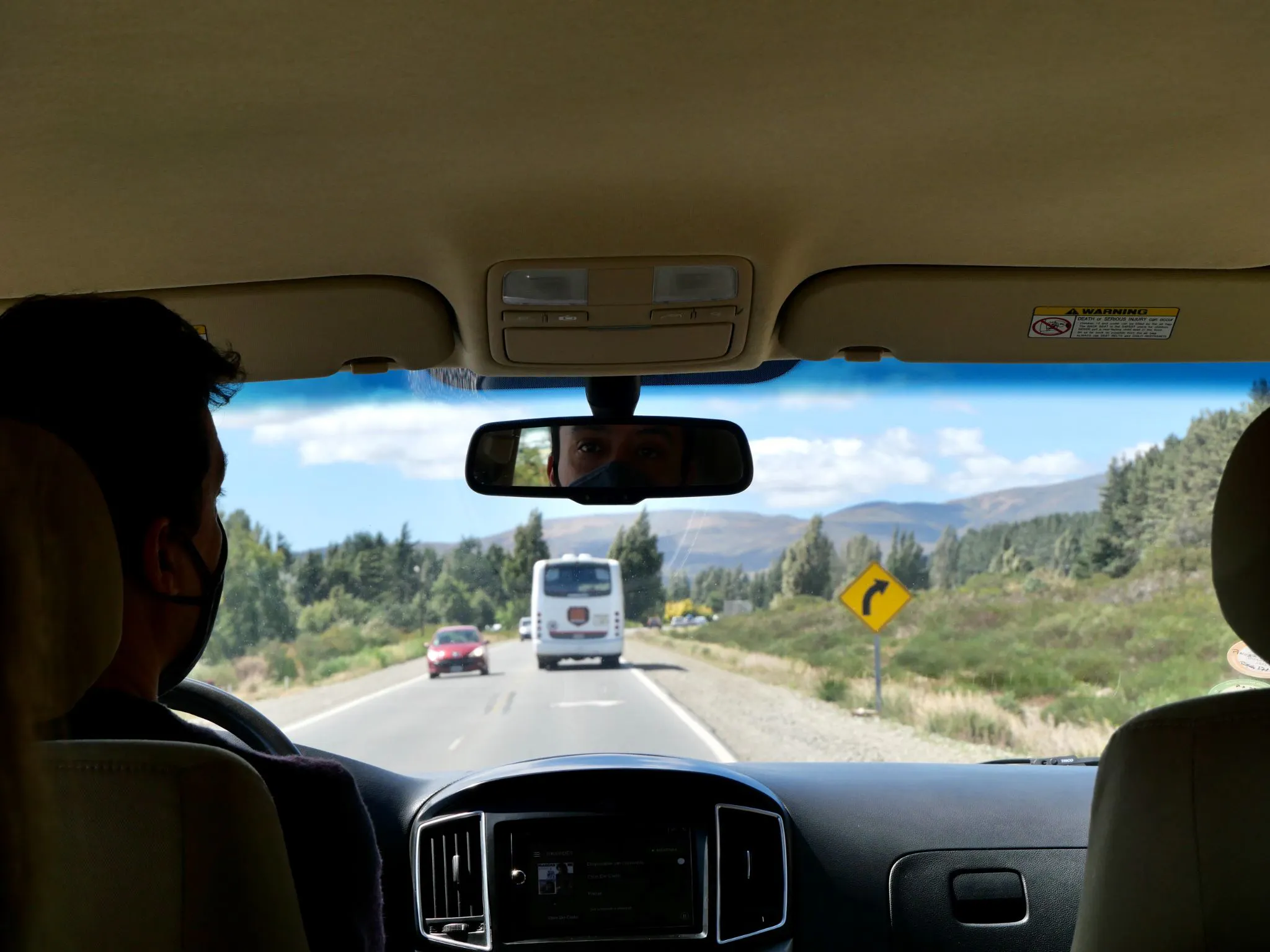
Winter usually gets all the attention when it comes to dangerous driving conditions in Minnesota. But summer brings its own set of risks, risks that many people overlook precisely because the roads look clear and the weather looks friendly. Here’s how you can stay safer on the road this summer and for many more to come.
1. Higher Traffic Levels
Driving during summer means sharing the road with more vehicles than at any other time of year. Across the nation, the summer months consistently rank the highest for traffic volume, and Minnesota is no exception. Warm weather brings plenty of road trips and outdoor fun for everyone. Holiday weekends like Memorial Day, the Fourth of July, and Labor Day are especially busy, and most Friday afternoons often bring a steady stream of cars heading north out of the Twin Cities.
All that traffic brings more risk. Highways can turn into slow, congested corridors. Stop-and-go traffic leads to rear-end collisions. Intersections, merging points, and other bottlenecks can turn into a quagmire. Too many impatient drivers may weave through traffic, putting everyone in harm’s way. And road rage can get ugly.A few good habits will go a long way toward offsetting these risks:
- Leave earlier than usual. Building extra time into a trip removes the pressure to speed up or take chances to make up lost time.
- Maintain a safe following distance. Heavier traffic means more sudden braking. A longer buffer gives you more time to react.
- Expect delays. Knowing predictable slow points ahead of time makes it easier to stay patient and avoid reckless decisions.
2. More New Drivers on the Road
Summer vacation also puts more teenagers behind the wheel. School lets out, curfews loosen, and teens suddenly spend far more unsupervised time driving than they do the rest of the year. It’s good for young drivers to build up experience, but it does come with risks. Less time spent behind the wheel often means teens have slower reaction times, more hesitation at crucial moments, and less predictable decisions. Teens are also more likely to:
- Use a phone while driving
- Speed
- Follow other vehicles too closely
All of this adds up to more danger for the teens themselves and other drivers. Of course, there’s no way to know for certain how experienced other drivers are, so the safest approach is to drive more defensively around any vehicle that looks like it might be driven by someone still learning the ropes. Watch for:
- Hesitation at intersections and merges
- Sudden stops or delayed lane changes
- Cars following too close
These can all be signs of a driver who's still building confidence. Stay alert during peak teen driving hours: afternoons, evenings, and weekend nights.
3. Minnesota Construction Zones
Summer in Minnesota brings a new wave of resurfacing, bridge work, and lane closures. The construction season runs roughly from April through October, and during that time, work zones show up in places drivers don't expect them. A familiar stretch of highway that was clear and open just the week before can suddenly be clogged with workers, heavy equipment, and traffic cones. In some cases, you may be rerouted into new territory on roads and intersections you aren’t used to.
Fortunately, there are some ways to keep both yourself and road crews safer when driving near a work zone:
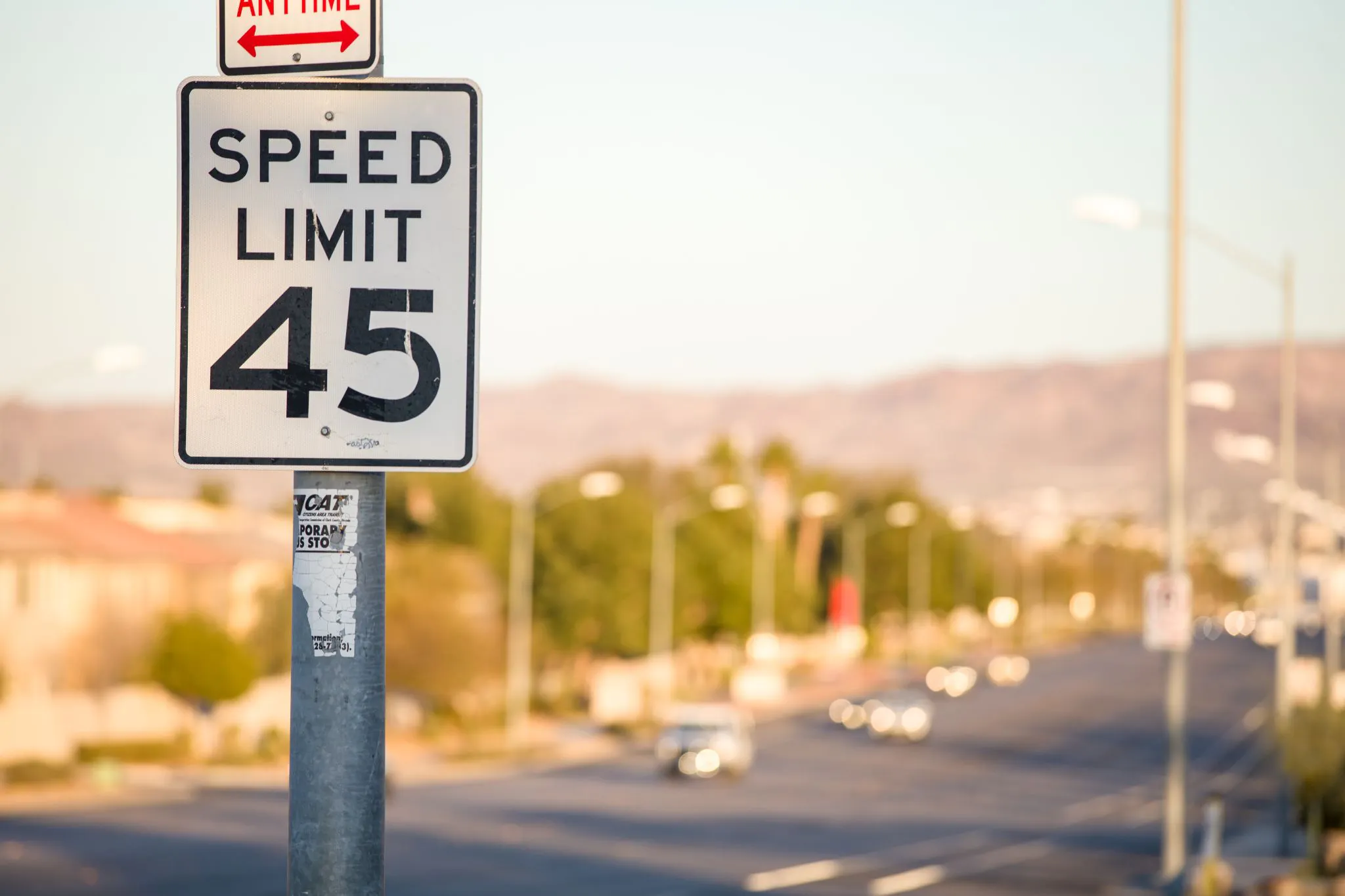
- Watch for reduced speed zones. Under Minnesota Statute 169.14, any time the speed limit is 50 miles per hour, it automatically drops to 45 miles per hour if a lane is closed and workers are present. Lower limits are often posted.
- Slow down before the zone begins. Braking early before entering a work zone gives you more time to adjust your speed. Waiting until the last second is risky.
- Use the zipper merge. If there is a merge point around a work zone, the Minnesota Department of Transportation recommends staying in your current lane until you reach the merge, then alternating with other vehicles when entering the open lane. Merging early can lead to unexpected braking and lane changes.
- Move over or slow down for stopped vehicles. Minnesota's Ted Foss Move Over Law requires drivers to move over a full lane away from a stopped construction or maintenance vehicle with its flashing lights on. If changing lanes isn’t safe or possible, you must slow down as you pass.
4. Motorcycle Riding Season
Minnesota's motorcyclists are always out in force once the weather warms up, making collisions with cars and other larger vehicles more likely. A motorcycle can disappear into a blind spot or get lost against a busy background. It is also difficult to judge how close or how fast a motorcycle is approaching.
Protecting riders is a shared responsibility, with plenty drivers can do to help:
- Before changing lanes, turning, or pulling into an intersection, look twice for motorcycles, exercising more caution if you spot one.
- Check blind spots by briefly turning your head. Mirrors alone often aren't enough to spot any vehicle in your blind spot, especially a motorcycle.
- Give riders extra room. Motorcycles need more space to react to road hazards like potholes or loose gravel.
- Avoid tailgating. A motorcycle can stop faster than a car, so following too closely might not give you enough room to react if they brake suddenly.
5. Tires and Hot Pavement
Hot pavement is harder on tires than most drivers realize. As air inside a tire heats up, it expands, and the rubber itself softens under sustained high temperatures. This can cause the tire to deteriorate, leading to blowouts and tread separation. Driving long distances during a Minnesota summer can put sustained stress on tires, especially when a car is loaded with vacation gear. Tires that are already underinflated or worn have less margin before that stress turns into a problem.
Before hitting the road, make a note to check the tire pressure and make sure it matches the pressure listed on the vehicle's door placard. Inspect every tire for bulges, cracks, or embedded debris. If you see anything that looks off, consider repairing or replacing the tire before a trip. And don’t forget to check the spare tire and make sure it’s ready to go.
6. Sun Glare
Minnesota summers bring long stretches of low, direct sunlight. This is especially prevalent in the early morning and early evening. When the sun sits low on the horizon, it can shine almost straight into a windshield, blinding you and washing out the road ahead. To avoid this:
- Keep sunglasses in your vehicle at all times.
- Clean your windshield regularly. Dust and streaks on the glass scatter light and make glare worse.
- Use the sun visor before the glare hits your eyes.
- Slow down if the road ahead is hard to see.
- Increase following distance during peak glare hours. A longer buffer helps make up for those few seconds of reduced visibility.
7. Sudden Summer Storms
In the summer, Minnesota skies can turn from clear to a sudden downpour in the time it takes to drive a few miles. Thunderstorms often build fast and hit hard, bringing heavy rain, high winds, and hail with very little warning. Before you know it, a dry highway can become slick, and visibility may drop. Standing water on the road may lead to hydroplaning even at moderate speeds.
Keep an eye on the weather forecast before heading out, and if it looks nasty, consider staying home. If you get caught in a storm, take these steps:
- Turn on your headlights as soon as visibility starts to drop, even in the middle of the day.
- Slow down well before reaching a patch of standing water, rather than braking at the last second.
- Avoid sudden braking or steering if hydroplaning occurs. Instead, ease off the gas and steer straight until traction returns.
- Pull over to a safe place if a storm becomes severe enough that the road ahead is hard to see.
Have a Safer Summer in Minnesota

Summer may not have ice or blizzards, but that doesn’t mean the roads are always safe. By staying aware of these hazards on the road, you can help make sure that everyone gets where they're going safely.
However, no matter how careful you are, accidents can still happen. If you’ve been injured in a summer car, truck, or motorcycle accident, the SiebenCarey team is here to help you understand your options and decide the next step.